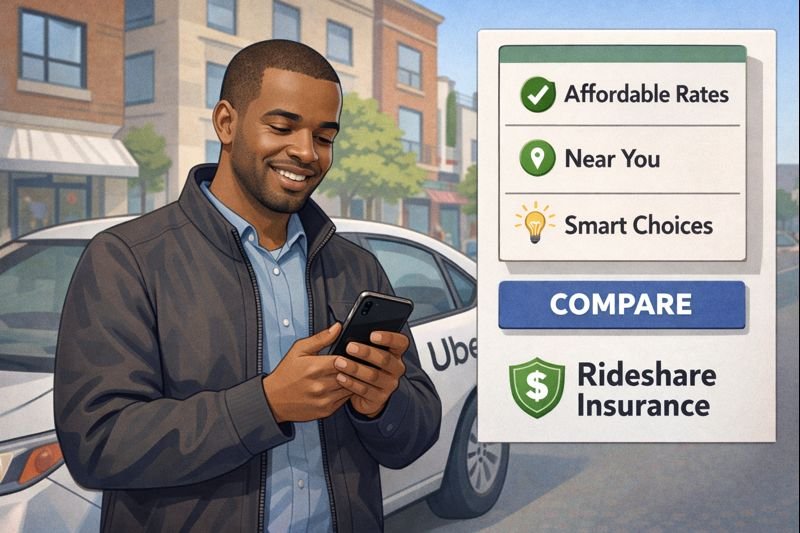


Introduction: Why Cost Is the Biggest Question for Rideshare Drivers
For most Uber and Lyft drivers, insurance cost is the deciding factor when evaluating coverage options. While drivers understand the importance of protection, many hesitate because they assume rideshare insurance is expensive or unnecessary.
In reality, understanding rideshare insurance cost for Uber and Lyft drivers requires a clear breakdown of how pricing works, what factors affect premiums, and how drivers can reduce expenses without sacrificing protection. This article provides a transparent, data-driven explanation to help drivers make informed decisions.
What Is the Average Rideshare Insurance Cost?
The cost of Rideshare Insurance varies depending on whether coverage is added as an endorsement to a personal auto policy or purchased as a standalone hybrid policy.
For most drivers, rideshare insurance is offered as an endorsement that adds a relatively modest amount to an existing policy. While pricing differs by state and insurer, the increase is typically far lower than the financial risk of driving without proper coverage.
Full-time drivers may pay more than occasional drivers, but even then, the cost remains manageable compared to potential out-of-pocket losses from an uncovered accident.
Key Factors That Affect Rideshare Insurance Pricing
Driving Frequency
Drivers who operate daily or full-time present higher risk exposure, which can increase premiums.
Location and State Regulations
Urban areas with dense traffic generally result in higher insurance costs. State-mandated minimum coverage levels also influence pricing.
Driving Record
Accidents, tickets, or prior claims can raise the cost of rideshare insurance significantly.
Vehicle Type and Value
Newer or higher-value vehicles cost more to insure, particularly for collision and comprehensive coverage.
Insurance Structure
Endorsements are usually more affordable than standalone commercial-style policies.
Cost Differences Between Uber and Lyft Drivers
While Uber and Lyft operate under similar insurance frameworks, cost differences may arise due to:
-
Driving hours on each platform
-
Local market density
-
Platform usage patterns
However, insurers generally do not price rideshare insurance differently based on platform branding. Instead, pricing is based on total rideshare activity.
Rideshare Insurance Add-On vs Standalone Policy Costs
Rideshare Endorsement
-
Lower cost
-
Added to personal auto insurance
-
Covers app-on waiting periods
Standalone or Hybrid Policy
-
Higher cost
-
Designed for high-volume drivers
-
Broader commercial-style protection
Most part-time and moderate-use drivers find endorsements sufficient.
Hidden Costs of Not Having Rideshare Insurance
Drivers often focus on monthly premiums while overlooking the hidden costs of driving uninsured during app-on periods.
These costs may include:
-
Denied claims for vehicle damage
-
Personal liability for injuries
-
Legal defense expenses
-
Policy cancellation or non-renewal
-
Increased future insurance rates
One uncovered accident can exceed years of rideshare insurance premiums.
How State Laws Impact Rideshare Insurance Cost
States with stricter rideshare insurance requirements often have higher baseline costs. However, these laws also reduce risk by standardizing coverage.
In states with flexible rules, drivers may pay less upfront but face greater financial exposure.
Understanding local regulations helps drivers balance cost and protection.
Ways to Lower Rideshare Insurance Costs
Choose an Endorsement Over a Separate Policy
This is often the most cost-effective option for part-time drivers.
Maintain a Clean Driving Record
Safe driving remains the most powerful cost-reduction strategy.
Bundle Insurance Policies
Combining auto, renters, or homeowners insurance can lead to discounts.
Adjust Deductibles Strategically
Higher deductibles lower premiums but increase out-of-pocket risk.
Compare Quotes Regularly
Insurance pricing changes frequently. Annual reviews can uncover savings.
Is Rideshare Insurance Tax-Deductible?
In many cases, rideshare drivers may deduct a portion of insurance costs as a business expense. Eligibility depends on:
-
How the vehicle is used
-
Record-keeping accuracy
-
IRS guidelines
Drivers should consult a tax professional for personalized advice, but the potential deduction further reduces effective cost.
Cost vs Value: Is Rideshare Insurance Worth It?
Evaluating rideshare insurance cost for Uber and Lyft drivers requires a value-based perspective. The true cost is not the premium—it is the risk of financial loss without coverage.
Rideshare insurance provides:
-
Financial stability
-
Legal compliance
-
Peace of mind
For most drivers, the return on investment is substantial.
Common Cost-Related Myths
“Uber and Lyft Insurance Is Free”
Platform insurance is conditional and limited.
“I Can Add It Later”
Coverage gaps exist immediately upon driving.
“I Don’t Drive Enough to Need It”
Accidents are unpredictable and unrelated to driving frequency.
Conclusion: Smart Cost Management for Rideshare Drivers
Understanding rideshare insurance cost for Uber and Lyft drivers empowers drivers to make rational, informed decisions. While pricing varies, rideshare insurance remains one of the most cost-effective protections available to gig economy drivers.
By selecting the right coverage structure, maintaining a strong driving record, and comparing options regularly, drivers can keep insurance costs low while ensuring comprehensive protection.
Rideshare Insurance is not an expense—it is a safeguard against financial uncertainty.