
The Red Light Feels Longer Now
You are sitting at a red light. The app is on. A fare is in your back seat. Then—bang.
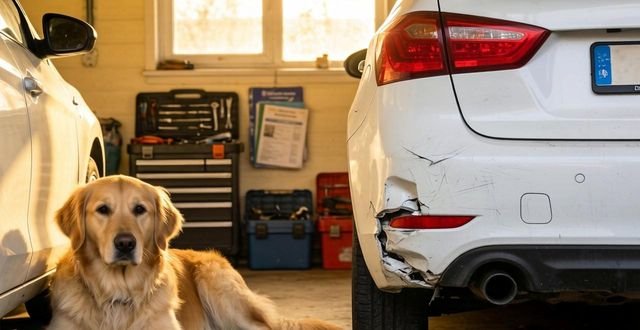
A distracted driver slams into your rear bumper. Metal crunches. Your neck snaps forward. Everyone is okay. But your car? Your car is bleeding.
Now the clock starts ticking. Not for the ambulance. For your income.
You have a mortgage due. That private school tuition? Due. Grocery prices? Still climbing. And your car—your little money-making machine—is sitting in a tow yard, looking sad and broken.
You remember you bought “rideshare insurance.” A warm feeling, right?
Don’t get too cozy.
Here is where the fine print starts to laugh at you.
The Big Misunderstanding: “Coverage” Does NOT Mean “Repair”
Most drivers hear “rideshare insurance” and think: Great. I am protected.
Protected from what, exactly?
Let us break this down. Not with legal words. With consequences.
Your typical rideshare endorsement (from Geico, Allstate, Progressive, etc.) is actually a liability creature. It exists for one reason: to fill the gap.
Gap Period 1: App on, no fare accepted yet.
Gap Period 2: Fare accepted, on the way to pick up.
Gap Period 3: Passenger in the car.
During those gaps, your personal auto policy says: Not my problem.
And Uber/Lyft’s policy says: Not my problem yet.
So the rideshare endorsement says: Fine. I will cover liability.
But liability pays the other guy. Not you. Not your car.
Your car’s repair? That is collision or comprehensive. And here is the punchline:
> Most rideshare endorsements do not add collision coverage to Period 1.
You read that right.
If you get hit while waiting for a ride request—and you do not carry your own collision coverage on your personal policy—you are self-insuring that repair bill.
Let that sink in.
The Three-Period Hell (A Quick Table for Your Sanity)
| Period | What You Are Doing | Who Covers Liability | Who Covers Your Car Repair |
|---|---|---|---|
| 0 | App off | Your personal policy | Your personal policy (if you have collision) |
| 1 | App on,no ride | Rideshare endorsement (liability only, usually) | You. Unless you added “rideshare collision.” |
| 2 | En route to pickup | Uber/Lyft (contingent liability) | Uber/Lyft if you carry collision on personal policy. Deductible applies. |
| 3 | Passenger in car | Uber/Lyft ($1M liability) | Uber/Lyft. Deductible applies. |
See that ugly word in Period 1? You.
That is where your repair nightmare lives.
“But My Agent Said…” – Let Me Stop You Right There
I have been doing this for 15 years. I have sat across from hundreds of drivers. And I have seen the same mistake more times than I can count.
Mistake #1: “I have the rideshare add-on. So I am fine.”
No. You have a liability Band-Aid. Go look at your declarations page. Find “Collision – Rideshare Use.” Is there a number next to it? Or does it say “Not Applicable”?
If it says “Not Applicable,” your car gets repaired only when Uber/Lyft’s policy kicks in (Periods 2 and 3). But Period 1? That is your wallet talking.
Mistake #2: “I will just use my personal collision and not tell anyone.”
Insurance companies are not stupid. They have special investigation units. They can pull your app data. They will ask for a signed statement. And if you lie? That is called material misrepresentation. They will deny the claim, drop you, and mark your record. Then try getting insurance again. Go ahead. I will wait.
Mistake #3: “Uber/Lyft will cover my deductible.”
Only if you bought their deductible protection product. And even then—read the fine print. It only applies to Periods 2 and 3. Period 1? Still you.
The Hidden Knife: Your Income While the Car Is in the Shop

Let us say the repair is covered. Great. But how long does a bumper replacement take? A week? Two weeks?
Now do the math.
You make $800 a week after expenses. Two weeks without the car = $1,600 in lost income.
Does your rideshare insurance pay that? No.
Does Uber/Lyft pay that? No.
Does your health insurance pay your mortgage? Also no.
This is the part nobody talks about. The car gets fixed. But your bank account? Still bleeding.
This is why I lose sleep. Not because of the accident. Because of the silent death of cash flow.
What Actually Smart Drivers Do (And You Should Too)
I am not here to scare you without a solution. Here is the real-world playbook.
Step 1: Call your carrier. Ask one question exactly like this:
> “Does my rideshare endorsement include collision coverage for Period 1, and if not, what is the exact cost to add it?”
If they say “we do not offer that,” then you have a choice to make. Some carriers (like Progressive and a few others) do offer full collision during Period 1. Others do not. Know what you have.
Step 2: Consider a commercial auto policy.
Yes, it costs more. Sometimes 30-40% more. But it covers Periods 1, 2, and 3 without the gap. No games. No surprises. And the premium is often tax-deductible as a business expense. (Talk to your CPA.)
Step 3: Build a “Car in the Shop” fund.
This is not glamorous. But put away $50 a week. After three months, you have $600. That covers a rental car for two weeks. Or part of your deductible. Or your grocery bill while you are not earning.
Step 4: Ask about Loss of Use coverage.
Some commercial policies include this. It pays you a daily benefit (like $50 or $75) while your car is being repaired. It is not your full income. But it keeps the lights on.
One More Thing – The Tax Angle Nobody Mentions
Let us say you get a repair check from insurance. That money is not taxable. Because it is making you whole, not giving you profit.
But here is the tricky part.
If you use your personal car for rideshare and you take a standard mileage deduction (67.5 cents per mile in 2026, check current rate), part of that deduction already includes depreciation and wear-and-tear.
So if insurance pays you for a repair that you already deducted via mileage? Your CPA might need to adjust something. This is not tax advice. But it is a conversation you need to have.
And if you get income replacement from a separate disability policy (which you should have, by the way), that income is taxable. Unless you paid the premiums with after-tax dollars.
See? Nothing is simple. That is why I have a job.
The End of the Red Light
You are still sitting at that red light. The car behind you is getting closer. The app is pinging.
Now you know the truth.
Rideshare insurance is not a magic shield. It is a tool. A limited one. It covers liability in the gaps. But your car’s broken headlight? Your dented door? Your lost wages?
Those are your responsibility. Unless you plan ahead.
So here is your homework for tonight:
1. Pull out your policy.
2. Find the rideshare endorsement.
3. Look for the word “collision” next to “Period 1.”
4. If it is missing, call your agent tomorrow morning.
Do not be the driver who learns this lesson in a tow yard.
Be the driver who smiles—because you already planned for the worst.
And that, my friend, is the only real peace of mind.